Introduction
The Gold Coast continues to embrace modern architectural styles—clean lines, integrated landscaping, and sustainable materials are dominant. An expertly designed concrete driveway complements contemporary homes by providing durability, low maintenance, and design flexibility. This guide covers popular concrete driveway styles appropriate for modern architecture on the Gold Coast, practical design and installation considerations, maintenance tips, and how to choose a reliable concreting contractor or concreting company in 2025.
Why concrete suits modern Gold Coast homes
Concrete remains a preferred surface for modern residences because it offers:
- Versatility: finished in many textures and colours to match minimalist or bold designs; Longevity: a properly mixed and installed concrete driveway can last several decades with routine care; Low maintenance: easier to clean and repair compared with paving stones or asphalt; Sustainability options: permeable concrete, recycled aggregates, and locally sourced materials reduce environmental impact—important for Gold Coast projects in 2025 and beyond.
Popular concrete driveway styles for modern architecture
Exposed aggregate driveway
The exposed aggregate driveway is a favourite for contemporary homes on the Gold Coast because it combines texture with a polished aesthetic. Aggregates such as local riverstone, quartz or polished pebbles are revealed on the surface to produce a slip-resistant, decorative finish. Exposed aggregate works well with neutral-coloured façades and native landscaping.
Practical tips:
Specify aggregate size and colour to the contractor before pouring so the finish matches the house palette. Ask for a densifier or sealer to protect against oil stains and coastal salt exposure.Polished and coloured concrete
Polished concrete delivers a sleek, reflective surface that complements minimalist architecture. Colour admixtures and integral pigments allow the slab to carry consistent tones without the need for topical paint. This finish suits driveways that integrate visually with patios and internal floor finishes, creating a seamless indoor–outdoor flow.
Architectural saw-cut panels
Modern designs frequently use large saw-cut panels with narrow control joints to create a grid or linear pattern. This style emphasises geometric simplicity and works well with linear landscaping elements. Use saw cuts at appropriate intervals depending on slab thickness and local climate to control cracking.
Broom finish and textured bands
A broom finish offers subtle texture for traction while maintaining a clean look. Combining broomed bands with smooth or exposed-aggregate central strips produces a dynamic contrast suitable for driveways that lead to glass-dominated façades.
Stamped and patterned concrete
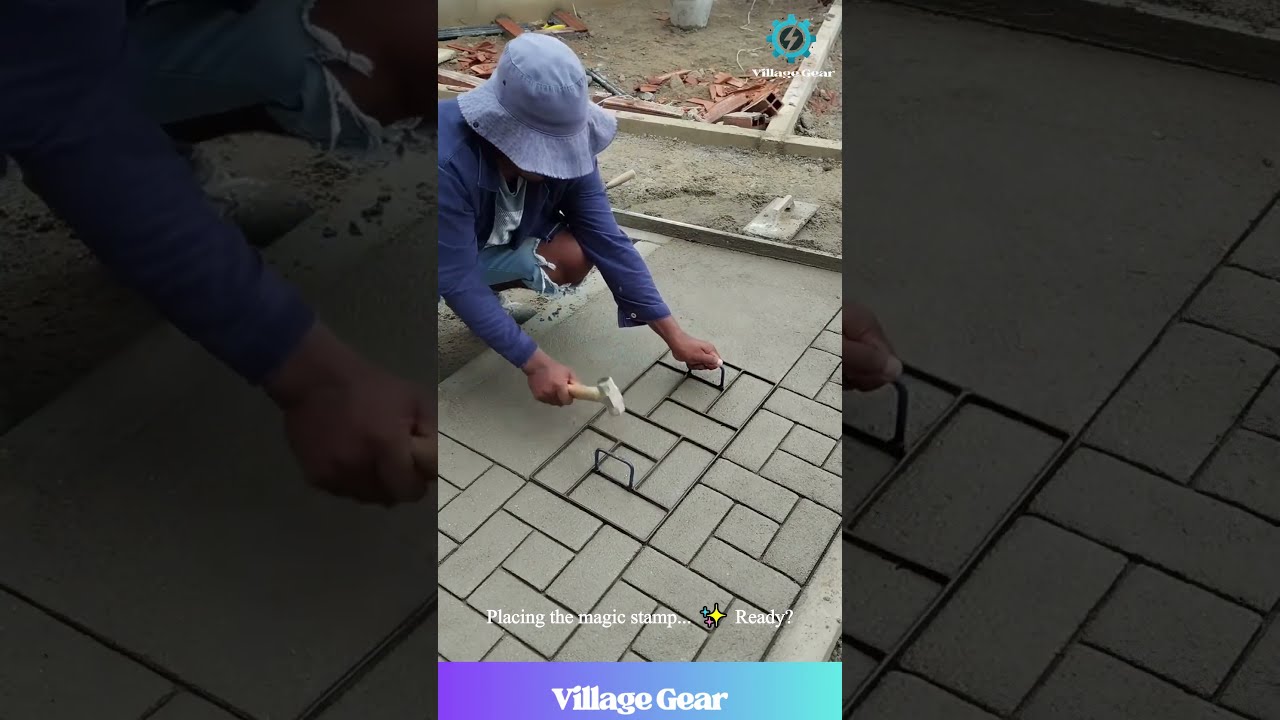
Stamped concrete can imitate natural stone or poured slab patterns but needs careful execution to avoid appearing dated. For modern architecture, choose large-scale, restrained patterns and natural pigment tones rather than ornate textures.
Design and technical considerations specific to the Gold Coast
Site slope, drainage and stormwater compliance
Gold Coast’s subtropical climate requires robust drainage planning. A driveway must direct run-off to legal discharge points without causing erosion or pooling. Council regulations require stormwater to be managed on-site or connected to approved drainage—your concreting service should prepare plans that comply with Gold Coast City Council standards.
Soil, subgrade and slab thickness
Soil conditions on the Gold Coast vary—sandy coastal soils need deeper preparation and compaction compared with firm inland sites. Typical residential driveway slabs range 100–150mm thick for light residential use and thicker (150–200mm) where heavier vehicles will be parked. A geotechnical assessment or on-site evaluation by the concreting contractor helps determine adequate subbase depth and reinforcement.
Materials and mix design
Choose mixes with appropriate strength (typically 25–32 MPa for driveways), and specify admixtures for workability and durability. In high-salt coastal zones, consider low-permeability mixes or corrosion-resistant reinforcement systems. Using locally sourced sand and aggregates reduces transport emissions and supports local concreting companies.
Sustainability and modern trends in 2025
Current trends on the Gold Coast in 2025 emphasise low-carbon construction and resilient landscapes:
- Permeable concrete: allows water infiltration and reduces local flooding pressure, aligning with council stormwater objectives; Recycled aggregates: crushed concrete or recycled glass aggregate reduces virgin material demand; Cool-colour pigments: lower surface temperatures in summer, improving thermal comfort and reducing heat island effect; Integrated lighting and landscape: recessed LED strips, planted edges, and native grasses create elegant transitions from driveway to garden.
Construction and finishing best practices
Preparation and placement
Key steps that a qualified concreting contractor should follow:
Excavate to required depth and compact subgrade; install 20–50mm aggregate subbase where necessary; Set formwork accurately to control levels and edge details; Use appropriate reinforcement (mesh or bars) placed on chairs to prevent sagging; Control joints are installed at regular intervals to manage cracking—joint spacing generally equals 3–4 times slab thickness in metres.Finishing and curing
For best durability, concrete should be finished to the desired texture and cured for at least 7 days using curing compounds, water curing, or wet coverings. Sealing exposed aggregate or coloured surfaces helps protect against stains and UV degradation—ask your https://rentry.co/f8cqyh95 concreting service about the correct sealer type for coastal exposure.
Maintenance and longevity
Routine maintenance keeps a concrete driveway attractive and functional:
- Clean annually with a pressure washer and degreaser for oil spots; Reapply sealer every 3–7 years depending on traffic and UV exposure; Repair hairline cracks promptly with an epoxy or polyurethane filler to prevent water ingress and subgrade erosion; Monitor joints and replace joint sealant when it becomes brittle.
Choosing a concreting contractor on the Gold Coast
Selecting the right concreting company is crucial for a successful driveway project. Consider these actionable steps:
Verify licenses and insurance: contractors should hold appropriate QBCC licences for Queensland and carry public liability insurance; Request detailed quotes: quotes should include excavation, subbase, reinforcement, concrete mix design, finishes, jointing, drainage measures, and warranties; Check references and portfolio: review recent Gold Coast projects, especially those that match modern architectural styles and coastal conditions; Ask about sustainability options: inquire about permeable systems, recycled aggregates, and low-carbon mixes; Agree on timelines and curing exposures: ensure the schedule allows for adequate curing, avoiding hot midday pours when possible.Common pitfalls and how to avoid them
Be aware of frequent issues that reduce driveway performance:
- Poor subgrade compaction—leads to settlement and cracking. Require proof of compaction tests when appropriate; Insufficient drainage—ensure the design routes stormwater legally and effectively; Incorrect joint spacing—can cause random cracking; follow recommended jointing guidelines; Using the wrong sealer for coastal environments—ask your concreting contractor for marine-grade products where salt exposure is significant.
Costs and budgeting
Driveway costs on the Gold Coast depend on size, finish, site conditions, and materials. As of 2025, indicative price ranges (per square metre) are:
- Standard broom finish concrete: moderate cost; Exposed aggregate: higher due to aggregate selection and finishing; Polished or coloured concrete: premium, reflecting additional labour and materials; Permeable concrete: typically more expensive due to subbase and specification requirements.
Obtain at least three written quotes and confirm scope, exclusions, and warranty terms before contracting.
Final checklist before you start
Use this quick checklist when engaging a concreting service on the Gold Coast:
- Confirm QBCC licence and insurance; Review detailed quote and materials list; Ensure stormwater plan complies with council requirements; Agree on finish samples and colours in writing; Set a curing and sealing schedule; Request references from recent, similar projects.
Conclusion
Concrete driveways are an excellent match for modern architectural styles on the Gold Coast, offering design flexibility, durability and sustainable options. Whether you choose an exposed aggregate driveway, polished concrete, or a permeable solution, working with a qualified concreting contractor or concreting company ensures your driveway performs well in coastal conditions and complements contemporary design. Plan carefully for drainage, subgrade preparation and finishes to maximise longevity and curb appeal in 2025 and beyond.
Gold Coast Concreting Experts
Shop 4/22 Bailey Cres, Southport QLD 4215, Australia
ph. (07) 5230 8851