Understanding what affects concrete drying time is essential for successful projects on the Gold Coast, where https://elliottwmod658.image-perth.org/what-is-the-best-base-for-a-gold-coast-concrete-driveway humid subtropical conditions significantly influence curing and performance. Whether you are installing a concrete driveway, an exposed aggregate driveway, or a concret path, knowledge of the variables that control moisture loss and strength gain helps you plan schedules, select materials, and choose the right concreting contractor or concreting company for the job.
Drying vs Curing: The Technical Difference
Before exploring climatic impacts, it is important to differentiate two commonly confused terms. Drying refers to the loss of free water from hardened concrete, often measured in terms of moisture content or relative humidity inside the slab. Curing is the chemical process of hydration where cement reacts with water to develop strength and durability. Proper curing requires retaining sufficient moisture; excessive drying (especially in the early stages) can reduce long-term strength and increase cracking risk.
Key Climatic Factors on the Gold Coast
The Gold Coast experiences high humidity, warm temperatures, and periodic coastal breezes. These conditions affect drying time in several ways:
- High Relative Humidity (RH): Elevated RH slows moisture evaporation from the concrete surface, prolonging drying time. While slower evaporation reduces early cracking risk, it can delay surface treatments like sealing or painting. Ambient Temperature: Warm temperatures accelerate hydration and early strength gain, but when combined with high humidity, the net effect on surface drying is mixed—internal hydration proceeds while surface moisture remains. Wind and Air Movement: Coastal winds can increase evaporation despite high humidity, potentially creating surface drying while the interior remains moist. Uneven drying increases curling and cracking risk. Rain and Dew: Frequent showers or heavy dew (common in subtropical climates) can re-wet surfaces, extend drying time, and complicate finishing work.
Concrete Mix and Material Factors
The concrete mix design has a major influence on drying and curing behaviour. Key material variables include:
Water-to-Cement Ratio (w/c): Higher w/c ratios increase initial workability but leave more free water that must evaporate or be consumed in hydration, extending drying times and increasing shrinkage potential. For durable exterior surfaces like a concrete driveway or exposed aggregate driveway, aim for an optimal w/c ratio specified by your concreting contractor.
Cement Type and Content: Different cements hydrate at different rates. Higher cement content accelerates strength gain but can increase heat of hydration, which combined with wind can create surface differential drying.
Admixtures: - Water reducers, plasticizers, and superplasticizers permit lower w/c ratios while retaining workability, reducing drying time and shrinkage risk. - Set retarders extend workable time — useful in hot weather but may delay early strength and surface drying. - Accelerators speed early strength gain, helpful when early loading or finishing is required, though they can increase the need for proactive curing.

Aggregates: The size, type and moisture condition of aggregates affect internal moisture movement. Dry or highly porous aggregates absorb mix water and slow surface drying. Well-graded aggregates promote uniform drying and reduce shrinkage.
Element Thickness and Geometry
Thicker concrete sections retain moisture longer and therefore take longer to dry. For a typical concrete driveway, standard thicknesses (e.g., 100–150 mm) will have different drying profiles than thin concret paths or decorative overlays. Large slabs and irregularly shaped pours promote differential drying and internal stresses, increasing cracking risk without proper jointing and curing.
Finishing and Timing
Finishing operations influence drying behaviour:
Timing of Finishing: Overworking the surface can bring excess water to the top (bleed water), creating weak, high-moisture surface layers that take more time to dry and may delaminate. Finishing should occur when bleed water has dissipated but before the concrete becomes too stiff to achieve the desired texture. Skilled concreting service providers know how to time finishing to Gold Coast conditions.
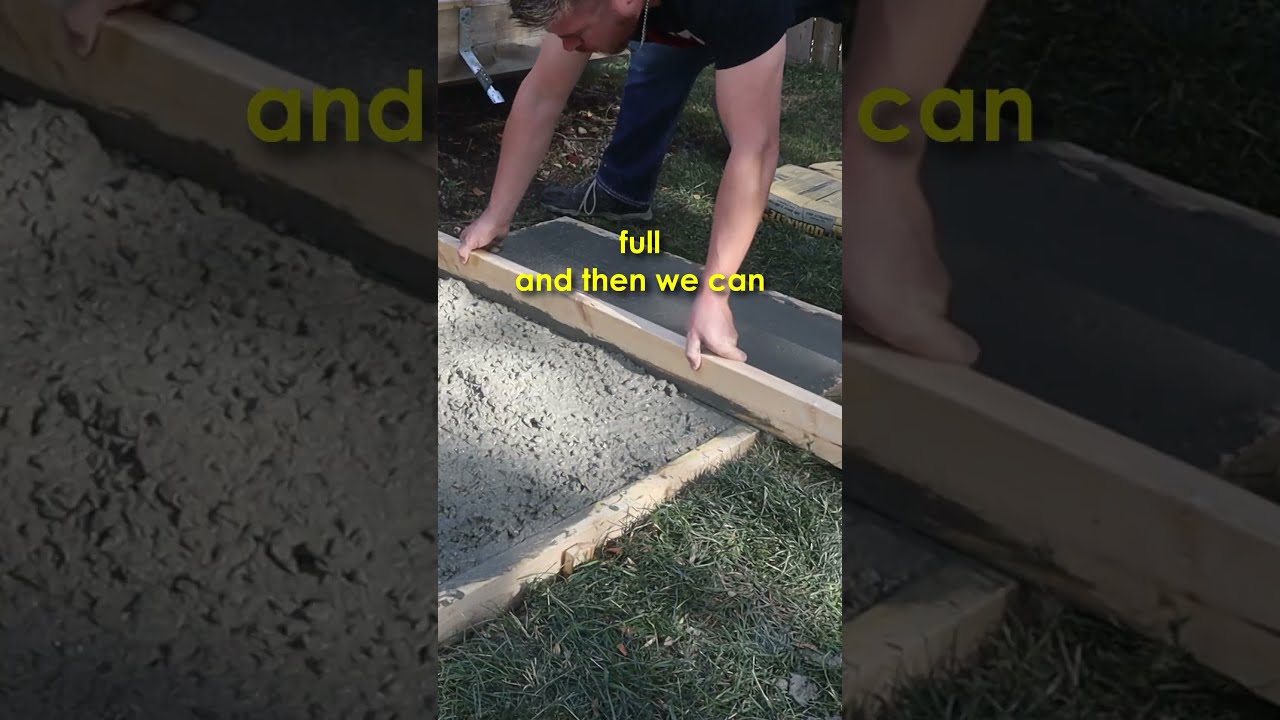
Surface Treatments: Trowelling, broom finishes, or creating an exposed aggregate driveway require different timing for washing/abrasion. Exposed aggregate surfaces typically need delays for initial set followed by controlled removal of the paste; humidity can necessitate longer waits before exposure.

Curing Practices for Humid Climates
Proper curing is the most critical control to manage drying time and ensure long-term performance. Recommended practices in humid environments like the Gold Coast include:
Moist Curing: Keep surfaces moist for at least 7 days for ordinary Portland cement concrete and 3–7 days for mixes with accelerators. Use wet burlap, ponding, or continuous misting systems where practical. Curing Compounds: Apply a membrane-forming curing compound immediately after finishing to reduce surface evaporation. Select compounds compatible with subsequent coatings or sealers if planning a sealed concrete driveway. Protect from Rain: Use temporary covers (tarps, tents) to shield newly placed concrete from heavy rainfall that can disturb the surface or prolong drying unpredictably.Testing and Acceptable Timeframes
Assessing when concrete is sufficiently dry for overlays, sealers, or foot traffic requires measurement rather than guessing. Common methods:
- Relative Humidity (RH) Testing: Core-cup RH testing (in-situ probes following ASTM F2170) gives a reliable measure of internal moisture and is preferred for slabs on ground before installing moisture-sensitive floorings or sealers. Moisture Meters: Non-destructive surface moisture meters provide quick checks but are less accurate for internal moisture. Calcium Chloride Test: Measures moisture vapor emission rates; useful for floor coverings but less common for exterior driveways.
Typical drying durations on the Gold Coast vary: a 100 mm slab may reach acceptable walking strength within 24–48 hours, but surface moisture might remain high for weeks. For moisture-sensitive toppings or sealers, expect 28–90 days depending on mix, environmental conditions, and drainage. Always confirm with tests rather than calendar days alone.
Practical Tips for Homeowners and Contractors on the Gold Coast
To minimise problems and optimise schedules in humid conditions:
- Plan for longer drying windows: Build extra time into project schedules for concreting operations, especially for sealed surfaces or overlays. Select the right mix: Use admixtures that reduce w/c ratio and improve workability. Discuss options with your concreting company or concreting contractor. Control site drainage: Ensure subgrade and forms prevent water pooling near the slab; good drainage accelerates uniform drying. Use appropriate curing: Implement moist curing or membrane curing compounds immediately after finishing to protect hydration and reduce cracking. Schedule finishing by forecast: Avoid finishing just before expected heavy dew or rain; if conditions change, protect the surface with tarps or shelters. Monitor moisture before sealing: Use RH or moisture tests to verify readiness for sealers or overlays on exposed aggregate driveways or interior finishes.
Choosing a Concreting Service on the Gold Coast
Selecting the right concreting contractor or concreting company makes a measurable difference in humid climates. Look for:
- Experience working on the Gold Coast with local weather patterns and coastal conditions. Knowledge of AS 3600 (Australian Standard for concrete structures) and relevant local building codes. Clear plans for curing, protection, and testing, including use of admixtures and appropriate jointing strategies. References for similar projects: concrete driveways, exposed aggregate driveways, and concret paths.
Regulatory and Industry Considerations in 2025
As of 2025, Australian industry standards emphasise durability, life-cycle performance, and sustainability. Specifying lower-carbon cements, optimized mix designs, and effective curing reduces long-term maintenance needs. Contractors increasingly document curing regimes and moisture testing results for warranty and compliance. From 2026 onwards, expect further emphasis on embodied-carbon reporting and stricter requirements for moisture management in certain building applications.
Conclusion
On the Gold Coast, high humidity shapes the drying and curing behaviour of concrete. Managing concrete drying time successfully requires understanding climate interactions, choosing the right mix and admixtures, implementing disciplined curing, and using objective moisture testing before applying finishes. Whether installing a concrete driveway, an exposed aggregate driveway, or a concret path, engaging a knowledgeable concreting service or concreting contractor that follows best practices and local standards ensures better outcomes, reduced cracking risk, and longer-lasting surfaces.
Gold Coast Concreting Experts
Shop 4/22 Bailey Cres, Southport QLD 4215, Australia
ph. (07) 5230 8851